Halloween baking treats: school-safe ideas, a make-ahead calendar, and real costs
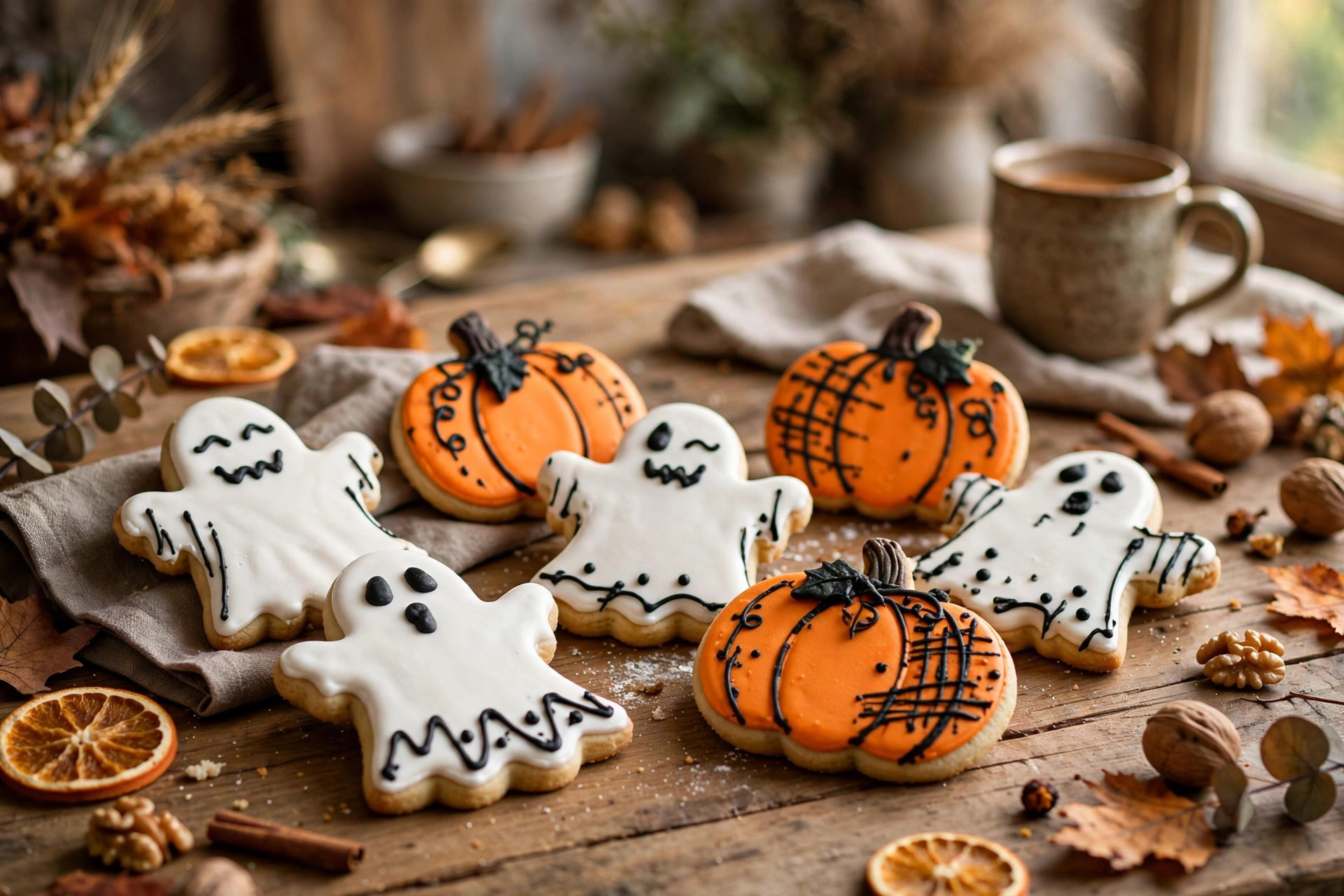
Halloween baking fails in two predictable ways: the treats can't go to school because of allergens, or everything gets baked in a panic on October 31. Both are avoidable with a little planning. Here's how to pick treats that survive a classroom, a calendar that spreads the work across October, and the real ingredient math for a dozen cupcakes.
Nut-free treats that survive a school party
Most classrooms restrict peanuts and tree nuts, and some go further. Before you bake for a class, ask the teacher what the actual rule is — policies vary school to school, and baking the wrong thing wastes an afternoon. Cooking from scratch is your best move here: it lets you control every ingredient, which store-bought treats with vague labels can't promise.
Read every label, every time, and watch for "may contain" statements — those count as a no for a shared classroom treat. If your kitchen normally handles peanut butter, wash hands, counters, cutting boards, utensils, and dish cloths before you start the school batch; even a trace transferred from a knife can trigger a reaction. And skip the imitation peanut butters: some schools ban products like Wow Butter outright because staff can't tell them apart from the real thing at a glance.
Good nut-free Halloween bakes that travel well: sugar-cookie ghosts decorated with black cocoa details, meringue ghosts with chocolate-dot faces, chocolate-dipped pretzel rods with sprinkles, and popcorn treat bars. For egg-free classrooms, swap each egg for a quarter cup of unsweetened applesauce — it works in sturdy cookie and muffin batters.
The Halloween baking calendar
Nothing here needs to happen on October 31. Work backwards from the party:
| When | What to make | Why it works |
|---|---|---|
| 2 weeks out | Cut-out cookie dough | Mix and refrigerate days ahead; roll and cut later |
| 1 week out | Sturdy cookies, baked but undecorated | Keep several days in an airtight container |
| 2–3 days out | Decorated sugar cookies | Royal icing needs hours to dry before stacking — finish early |
| 1 day out | Meringue ghosts | Humidity-sensitive; store airtight at room temperature, never refrigerated |
| Day of | Assembly only | Dip, drizzle, and arrange — no baking |
Two storage rules save a lot of heartbreak: keep crisp and soft cookies in separate containers, because moisture migrates and ruins both textures — and keep strongly flavored cookies (peppermint, heavy spice) away from mild vanilla ones. Candy coatings need a cool room; a warm kitchen softens them and dulls the finish.
What a dozen cupcakes actually costs
Here's the ingredient math for 12 basic vanilla cupcakes, using October 2026 Canadian grocery prices:
- Flour, 190 g — about $0.39 (flour at $5.10 per 2.5 kg)
- Sugar, 200 g — about $0.35 (sugar at $3.48 per 2 kg)
- Butter, 115 g — about $1.52 (butter at $5.99 per 454 g)
- Eggs, 2 — about $0.50 (dozen at $2.99)
That's roughly $2.76 in batter, plus another ~$2 for a simple buttercream. Call it $4.50–5 per dozen, decorated. Before you wince at the butter line, remember it's the single biggest cost driver — which is exactly why oil-based recipes (chocolate cake, carrot cake) are the budget Halloween play. Compare your $4.50–5 against whatever your local bakery charges per dozen, and the from-scratch case usually wins by a mile.
Decoration shortcuts that look impressive with zero skill
You don't need piping skills to make treats look Halloween. Black cocoa powder gives genuinely black frosting and cookie details without a drop of food dye; orange comes from pumpkin purée, red tones from beet powder or raspberry. Candy eyes, pretzel legs, and crushed-cookie "dirt" read as Halloween instantly on even the plainest base. And the fastest wins are no-bake: three-ingredient chocolate bark swirled and broken into shards, or pretzel rods dipped and sprinkled — ten minutes of work, then the fridge does the rest.
FAQ
How do I make Halloween treats allergy-friendly? Bake from scratch, read every label for "may contain" warnings, prep on washed equipment, and confirm the classroom's specific rules with the teacher first — including whether imitation nut butters are allowed.
How far ahead can I prep cookie dough? Mix cut-out dough several days ahead and refrigerate; baked undecorated cookies keep several days in an airtight container. Decorate in stages across the week.
Do I need artificial food coloring? No. Black cocoa, pumpkin purée, beet powder, and raspberry give you the Halloween palette, and texture tricks (meringue, chocolate drips, cookie crumbs) do the rest.
Keep readingNext: easy first wins — starter bakes that build confidence →